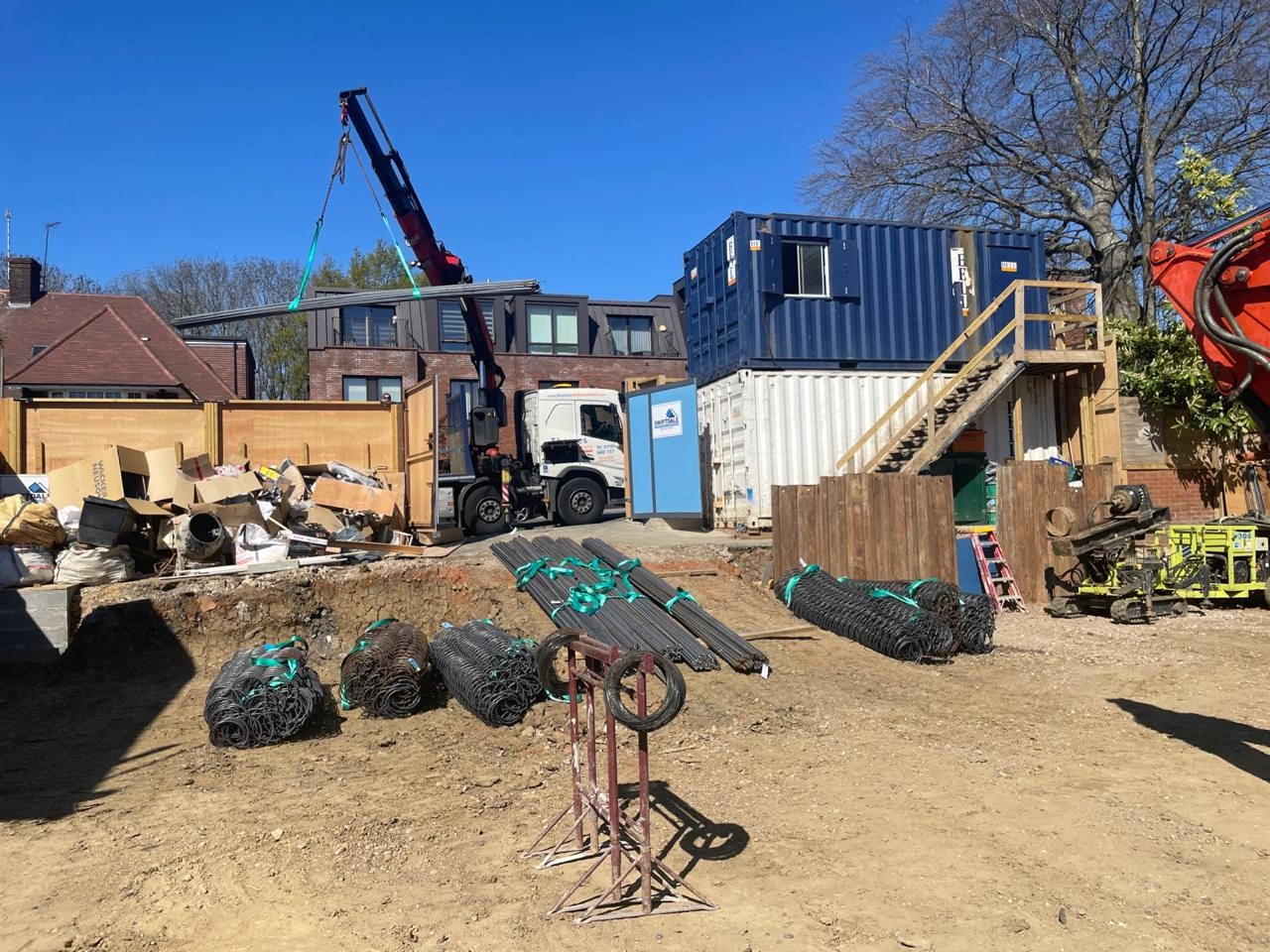
The short answer is that mini piles can reach depths of 20–25 metres in the right conditions. The longer answer is that depth on its own isn’t the design target – what matters is getting the pile tip into ground that can carry the load. That might be at 5 metres or it might be at 15 metres depending on what’s there.
What actually determines pile depth
Ground conditions
On most London residential sites, the target is to get below the zone of seasonal clay movement – typically 3–5 metres – and into the stiffer clay below. For extensions and garden rooms that’s usually enough. For heavier structures or where the upper soils are particularly poor, piles need to go deeper to find adequate bearing.
Made ground and loose fill near the surface don’t contribute to bearing capacity at all – the pile effectively passes through them. The depth of made ground on a given site varies widely, and without a ground investigation you’re guessing. On sites with significant made ground, piles that look short on paper might actually be going well into competent material below.
Groundwater
High groundwater can complicate installation in some soil types – particularly loose sands and gravels where the borehole walls can collapse without support. In London Clay, groundwater is less of an issue for the drilling itself, but it affects concrete specification and curing. On sites with high groundwater, the approach changes slightly – cased installation or different concrete mixes – but it doesn’t necessarily limit depth in the way people assume.
The rig
The compact rigs used for restricted-access mini piling have practical depth limits that vary by machine. Most can reach 12–15 metres comfortably. Going deeper requires either a larger rig or a different method. For the vast majority of London residential projects – extensions, garden rooms, underpinning – 6–10 metres is the typical range and well within what compact rigs handle without issue.
When mini piling isn’t deep enough
On projects where loads are heavier and competent ground is deeper, CFA piling or rotary bored piling are better options. These methods use larger rigs, larger pile diameters, and can reach greater depths more reliably than compact mini piling equipment.
The decision between methods is made by the structural engineer based on the ground investigation results and the structural loads. If you’re at the stage of getting a piling contractor involved before an engineer has specified the method, we can advise on what’s typically used for your type of project and ground conditions – but the engineer’s specification should always be the basis for the final design.
If you have a project where you’re not sure whether mini piling is the right approach, get in touch with the site details. We can advise based on what we know of the ground conditions in your area and what the structural requirements are likely to involve.
Want to know how deep your piles need to go? Send your ground investigation to our London piling contractors for a quick review.

My name is Kamil, and I specialise in piling services in London. I am dedicated to advancing KHB Piling LTD, a trusted contractor delivering high-quality foundation solutions for both residential and commercial projects. With the expertise and commitment of our team, we provide reliable piling services, including mini piling and CFA piling, tailored to meet the unique requirements of each client.