London’s leading piling contractors since 2017
pile foundation

CFA Piling in London: A Reliable Foundation Solution for Urban Construction

London’s construction industry presents unique challenges due to limited space, strict building regulations, and complex soil conditions. With urban expansion continuing at a fast pace, developers and homeowners are turning to innovative foundation techniques to ensure stability and longevity for their projects. CFA piling (Continuous Flight Auger) has emerged as one of the most effective and versatile foundation methods in the city, providing strong load-bearing capacity while minimising disruption during installation.

What is CFA Piling?

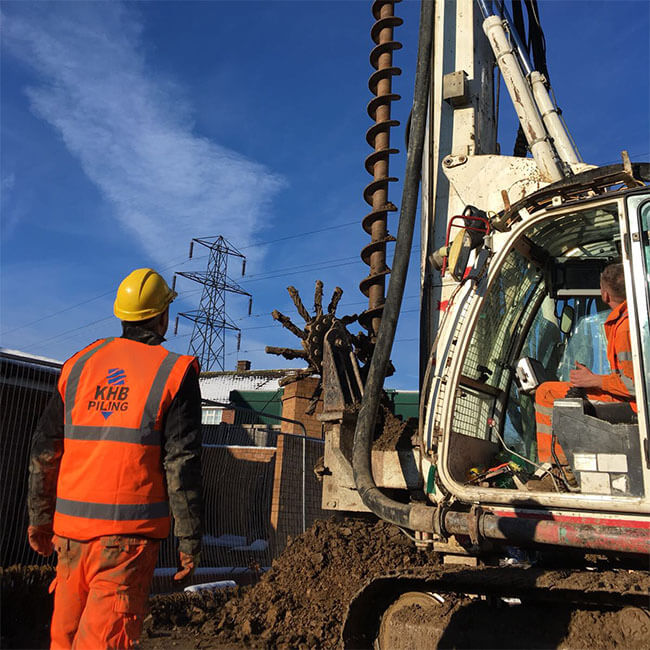
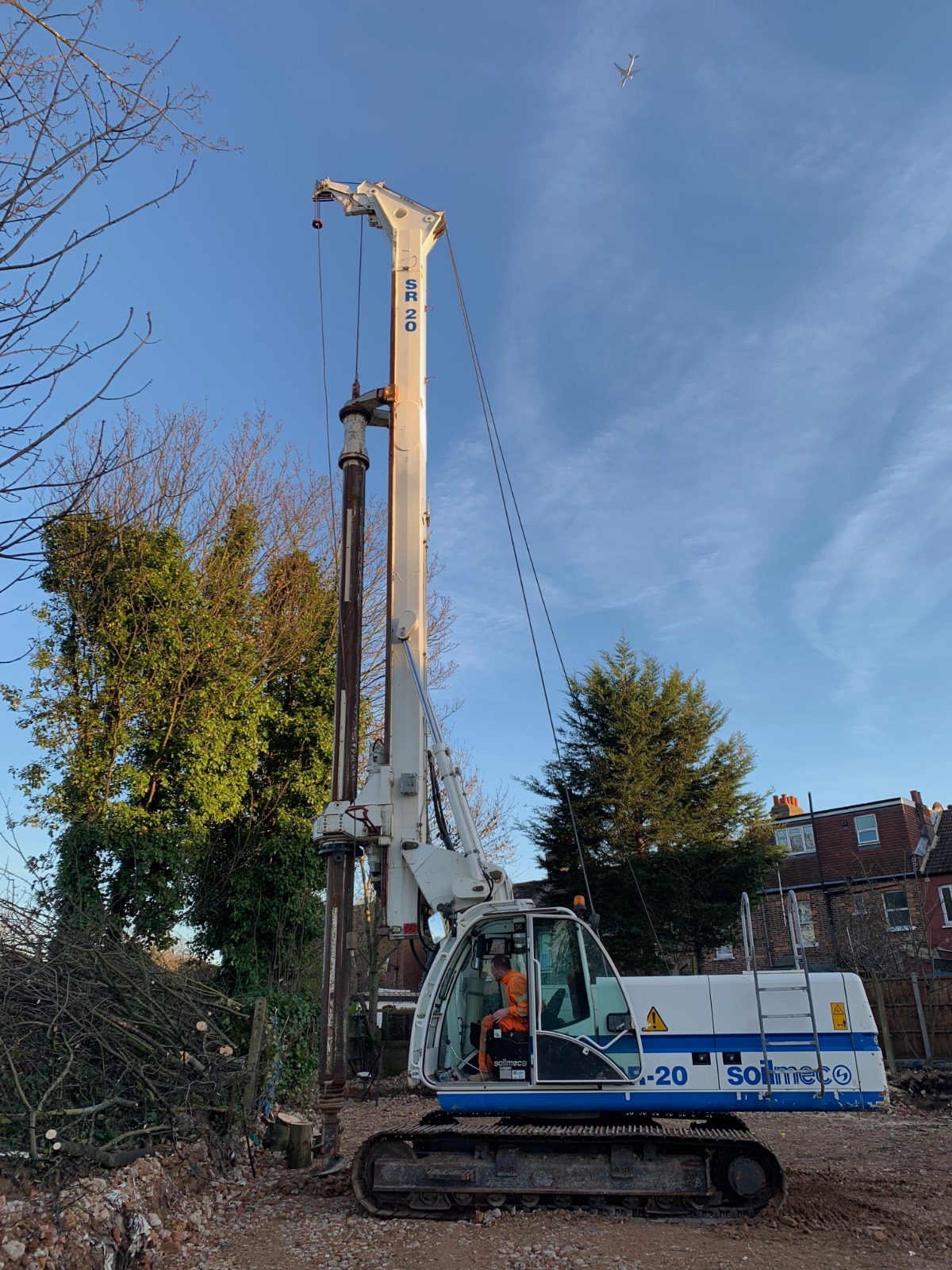
CFA piling is a deep foundation technique where a hollow auger (a type of drill) is driven into the ground while continuously injecting concrete through its centre. As the auger is withdrawn, the concrete fills the cavity, creating a reinforced concrete pile. Reinforcement cages can be inserted into the wet concrete to further strengthen the pile if required.

This method allows for the creation of solid, load-bearing piles without the need for casing or extensive excavation, making it ideal for confined urban spaces and sensitive ground conditions. CFA piling combines the benefits of fast installation, low noise levels, and minimal ground disturbance — key factors for projects in densely populated areas like London.

✅ When is CFA Piling Used?

CFA piling is particularly well-suited for projects in London where traditional piling methods are not feasible due to space or environmental restrictions. It is commonly used in the following types of projects:

1. Basement Conversions

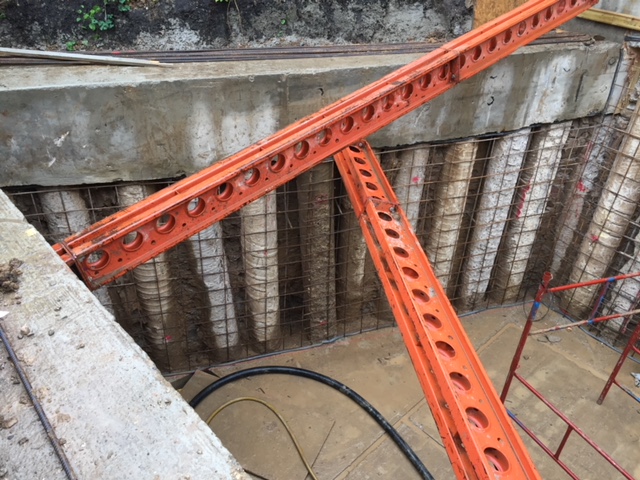
With London’s high property prices and limited surface space, basement conversions have become a popular way for homeowners to expand their living areas. However, working below existing structures requires careful planning and structural reinforcement. CFA piling provides the necessary support for basement construction by reinforcing the foundations and preventing subsidence.

2. House Extensions

Expanding a residential property in London often comes with challenges, including space restrictions, unstable soil, and the proximity of neighbouring buildings. CFA piling ensures that house extensions have a secure foundation, distributing the load evenly without disturbing the surrounding area.

3. Weak or Variable Soil Conditions

London’s soil varies significantly across the city — from dense London Clay to loose gravel and alluvium deposits. In areas with unstable or mixed soil conditions, CFA piling provides essential reinforcement and prevents ground movement, ensuring the long-term stability of the structure.

4. Commercial Developments in Confined Spaces

Many commercial properties in London are located in busy, built-up areas where access for large piling equipment is restricted. CFA piling allows construction teams to reinforce foundations without causing major disruption to surrounding businesses or traffic flow. This makes it ideal for office blocks, retail spaces, and industrial sites.

5. Structural Repairs for Historic Buildings

London is home to thousands of historic buildings, many of which require foundation strengthening to meet modern safety standards. Traditional piling methods can be too invasive, but CFA piling offers a non-disruptive solution that preserves the architectural integrity of historic structures while reinforcing their foundations.

🌟 Advantages of CFA Piling

CFA piling has become a preferred foundation solution for construction projects in London due to several key benefits:

✔️ Fast and Efficient Installation

CFA piling allows for quick installation, reducing project timelines and labour costs. The process involves continuous drilling and concrete pouring, which minimises downtime between stages.

✔️ Low Noise and Vibration Levels

Unlike driven piling, which can cause significant noise and vibration, CFA piling operates quietly, making it ideal for residential and commercial areas. This reduces the risk of disturbing neighbours or damaging adjacent structures.

✔️ Minimal Ground Disturbance

Since CFA piling doesn’t require extensive excavation or casing, it minimises soil displacement and ground disturbance. This is especially important in areas with sensitive ground conditions or tight building footprints.

✔️ Adaptable to Various Soil Types

CFA piling works effectively in a wide range of soil conditions, from soft clay to dense gravel. Engineers can customise the pile length, diameter, and reinforcement depending on the specific ground characteristics.

✔️ Cost-Effective

Compared to traditional foundation methods, CFA piling requires fewer materials, less labour, and shorter installation times, making it a cost-effective solution for both small and large-scale projects.

🚧 Types of CFA Piling Techniques Used in London

At KHB Piling LTD, we use a range of CFA piling techniques to adapt to the unique requirements of each project. The main techniques include:

🔹 Sectional Auger CFA Piling

•Suitable for sites with height restrictions, such as basement developments and confined urban spaces.

•Installed in segments, allowing for flexibility in tight spaces.

🔹 Continuous Flight Auger (CFA) Piling

•Ideal for soft or clay-rich soils.

•Reduces noise and vibration, making it suitable for residential and commercial projects.

🔹 Helical Screw Piling

•Involves screwing the piles into the ground using rotating blades.

•Quick installation with minimal soil disturbance.

🔹 Grundomat (Driven Mini Piling)

•Uses compressed air to drive steel piles into the ground.

•Cost-effective for lightweight structures and smaller domestic projects.

💪 Why Choose KHB Piling LTD for CFA Piling in London?

At KHB Piling LTD, we specialise in providing expert CFA piling solutions for residential, commercial, and industrial projects across London. With over a decade of experience, we have built a reputation for precision, reliability, and customer satisfaction.

🔹 Expertise and Experience

Our team of highly skilled engineers and technicians has successfully completed hundreds of CFA piling projects across London, from small residential extensions to large commercial developments.

🔹 Tailored Solutions

We conduct thorough site assessments and soil analysis to determine the most suitable CFA piling technique for each project. Every foundation solution is customised to meet the specific requirements of the site and structure.

🔹 Advanced Equipment

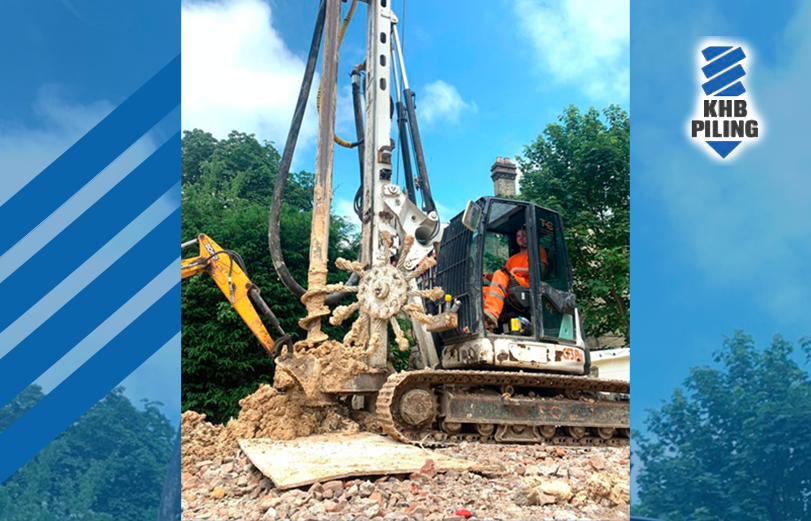
We use state-of-the-art CFA piling rigs and technology to ensure efficient and accurate installation. Our equipment allows us to work in confined spaces and challenging ground conditions with minimal disruption.

🔹 Commitment to Quality and Safety

We adhere to the highest industry standards and safety regulations. Our team takes every precaution to minimise risk and ensure a safe working environment.

🔹 Cost-Effective Solutions

We understand the importance of budget control in construction projects. Our CFA piling solutions are designed to deliver maximum structural integrity at a competitive price.

📞 Get in Touch Today!

If you need reliable CFA piling solutions in London, contact KHB Piling LTD for a free consultation today. Whether you’re planning a residential extension, a commercial development, or a basement conversion, we can provide a tailored foundation solution to meet your needs.

📍 Serving London and surrounding areas

📞 Call us today: +44 7821 836407

💻 Visit us online: khbpiling.co.uk

👉 Build your project on a solid foundation with KHB Piling LTD – London’s trusted CFA piling specialists!

Kamil

My name is Kamil, and I specialise in piling services in London. I am dedicated to advancing KHB Piling LTD, a trusted contractor delivering high-quality foundation solutions for both residential and commercial projects. With the expertise and commitment of our team, we provide reliable piling services, including mini piling and CFA piling, tailored to meet the unique requirements of each client.

Additional information
Gallery 12

Piling in London: Securing the City’s Future Through Advanced Foundations

Introduction: The Role of Piling in London’s Development

London’s skyline is constantly evolving, with new developments, infrastructure projects, and residential expansions reshaping the city. However, beneath these towering structures lies a crucial but often overlooked element—strong foundations. Piling is the backbone of London’s construction industry, ensuring stability and longevity for buildings in one of the world’s busiest cities.

With challenging soil conditions and increasing demands for high-density development, piling has become an essential technique for both residential and commercial projects. This article explores how modern piling solutions are shaping London’s construction landscape and why they are more important than ever.

Why Piling is Essential in London’s Construction Industry

London’s subsoil is a mixture of various materials, including London Clay, River Terrace Gravels, and Alluvium deposits. These geological conditions make traditional shallow foundations impractical for many developments, as they cannot provide sufficient support. Piling addresses this issue by driving deep foundations into the ground, ensuring long-term stability.

Common challenges in London’s soil structure include:

London Clay, which expands and contracts with moisture changes, leading to movement in buildings.

Gravel deposits near the Thames, which can be unstable and require deep foundation solutions.

Alluvium and peat layers, which can lead to subsidence if not reinforced properly.

Mixed ground conditions, requiring a combination of piling techniques to achieve stability.

Without appropriate foundation work, buildings in London would be susceptible to shifting, cracking, and long-term structural weaknesses.

Types of Piling Used in London’s Construction Projects

Over the years, piling techniques have evolved to accommodate different site conditions and project requirements. The most common methods used in London today include:

Mini Piling – A space-efficient solution, ideal for extensions and properties with restricted access.

CFA Piling (Continuous Flight Auger) – Commonly used for mid-rise developments and projects on clay-heavy ground.

Rotary Bored Piling – Essential for deep foundations in high-rise buildings and large-scale infrastructure projects.

Screw Piling – A sustainable and cost-effective alternative for specific applications.

These techniques allow developers to construct durable buildings while minimising disruption to surrounding areas.

Piling for Different Types of London Developments

The demand for secure foundations spans across various sectors, including:

High-rise buildings, where deep piling is necessary to support heavy loads and withstand environmental factors.

Residential expansions, including basement conversions, where mini piling and underpinning are commonly used.

Transport infrastructure, such as the London Underground and Crossrail, which rely on deep foundation techniques for tunnel stability.

Commercial developments, including offices, retail spaces, and mixed-use buildings, where strong foundations are required to support heavy foot traffic and structural loads.

As London continues to develop, piling remains at the core of ensuring safe and sustainable construction.

Sustainability in Piling and Modern Construction Trends

With an increased focus on environmental responsibility, piling contractors in London are adopting more sustainable methods. Innovations in eco-friendly piling include:

•The use of low-carbon concrete to reduce CO₂ emissions.

Recycled steel reinforcement for piling cages, promoting sustainability.

AI-driven site analysis to optimise piling depths and reduce unnecessary excavation.

•Compliance with green construction certifications, such as BREEAM and LEED.

By integrating these techniques, the industry is adapting to the need for sustainable and energy-efficient construction.

Choosing the Right Piling Contractor in London

Selecting an experienced and reliable piling contractor is crucial for ensuring quality and efficiency in construction. A professional contractor should:

•Conduct a thorough assessment of soil conditions before recommending a solution.

•Use the latest technology to enhance efficiency and safety.

•Provide cost-effective solutions without compromising on quality.

•Offer tailored piling services based on project specifications.

Why Developers Trust KHB Piling LTD

Since 2017, KHB Piling LTD has been a trusted provider of piling solutions in London, offering expertise in mini piling, CFA piling, and deep foundation work. The company works with developers, architects, and homeowners to deliver tailored piling solutions that ensure structural integrity for years to come.

As London grows, piling will remain a critical component of its construction industry, securing the city’s infrastructure and enabling new developments to thrive.

For expert piling solutions, contact KHB Piling LTD at +44 7821 836407 or request a consultation online.

Kamil

My name is Kamil, and I specialise in piling services in London. I am dedicated to advancing KHB Piling LTD, a trusted contractor delivering high-quality foundation solutions for both residential and commercial projects. With the expertise and commitment of our team, we provide reliable piling services, including mini piling and CFA piling, tailored to meet the unique requirements of each client.

Additional information
piling-in-london-6

London’s Leading Piling Contractors Since 2017: KHB Piling LTD

Introduction: The Foundations That Shape London

Since 2017, KHB Piling LTD has been at the forefront of foundation engineering in London, delivering high-quality piling solutions for residential, commercial, and infrastructure projects. The city’s construction landscape presents unique challenges, from complex soil conditions to space constraints in dense urban areas. As a trusted piling contractor, we have played a key role in ensuring that London’s buildings stand on solid ground.

This article explores the evolution of piling, the challenges posed by London’s geology, and the expertise that sets KHB Piling LTD apart.

The Evolution of Piling in London

The need for secure foundations in London dates back centuries. Early construction relied on timber piles, which were driven into soft ground to provide stability. Over time, advances in engineering introduced new techniques:

•In the 19th century, cast iron and reinforced concrete piling became standard for large infrastructure projects.

•The 20th century saw the introduction of rotary bored piling, allowing for deeper and more stable foundations.

•Today, continuous flight auger (CFA) piling and mini piling are widely used in residential and commercial construction, offering solutions tailored to restricted urban sites.

With London’s ever-expanding skyline and growing need for basement developments, piling continues to evolve as an essential part of modern construction.

Understanding London’s Soil Conditions

London’s geological conditions vary significantly across different areas, requiring careful assessment before any piling work begins. The most common soil types include:

London Clay – Found in much of the city, this dense soil expands and contracts depending on moisture levels, making it prone to subsidence. CFA piling is the preferred method to ensure stability.

River Terrace Deposits – Loose, sandy soil near the Thames can lead to settlement if not properly reinforced. Rotary bored piling provides the necessary load-bearing capacity.

Made Ground – Many urban sites contain mixed materials from previous developments, requiring mini piling or underpinning for additional support.

With over 60 percent of major construction projects in London requiring piling solutions, expertise in soil conditions is critical to ensuring long-term structural integrity.

KHB Piling LTD: Precision Engineering for Secure Foundations

KHB Piling LTD combines experience with innovation, offering a range of piling solutions tailored to each project’s unique requirements. Our approach includes:

Site-Specific Engineering – Every project begins with a comprehensive geotechnical survey to determine the best piling technique.

Advanced Piling Equipment – We use modern machinery to ensure precision in pile installation, minimizing vibration and disruption.

Sustainable Solutions – Our use of low-carbon concrete and recycled materials aligns with the UK’s commitment to reducing the environmental impact of construction.

Efficient Project Delivery – We optimize construction timelines without compromising on quality, allowing projects to progress smoothly.

Case Study: Deep Foundation Engineering in Central London

KHB Piling LTD recently completed a piling project for a large mixed-use development in Stratford. The site, located on a former industrial area, presented challenges due to unstable ground conditions.

•The project required CFA piling with reinforced steel cages to ensure stability.

•Piling depths of up to 25 meters were necessary to reach a solid foundation layer.

•Despite the challenges, the project was completed 40 percent faster than the estimated timeline, with no structural issues post-completion.

This case study demonstrates our ability to deliver complex piling solutions efficiently, ensuring long-term durability for our clients.

The Future of Piling in London

The piling industry is evolving with new technologies and regulations shaping the future of construction. Key trends include:

Smart Foundations – AI-powered sensors are being integrated into piling systems to monitor foundation integrity in real time.

Sustainability in Construction – The UK government is pushing for increased use of low-carbon concrete and energy-efficient piling methods.

Automation and Robotics – Emerging technologies are improving precision in piling installation, reducing manual labor and increasing efficiency.

As demand for high-density developments and underground spaces grows, piling contractors must continue adapting to meet the city’s evolving construction needs.

Why Choose KHB Piling LTD?

With extensive experience in piling and foundation engineering, KHB Piling LTD is committed to delivering high-quality solutions for London’s most complex projects. Clients trust us for:

•Expertise in a wide range of piling techniques, including mini piling, CFA piling, and rotary bored piling.

•A proven track record in residential, commercial, and infrastructure projects.

•Compliance with UK building regulations and the highest safety standards.

•Efficient project management, minimizing delays and optimizing costs.

For expert piling services in London, KHB Piling LTD is the contractor of choice.

Contact Us for a Free Consultation

KHB Piling LTD provides tailored piling solutions to meet the specific requirements of every construction project. Whether you need foundation engineering for a new build, basement extension, or commercial development, our team is ready to assist.

Call us at +44 7821 836407 or request a free quote online at KHB Piling LTD.

Conclusion

Since 2017, KHB Piling LTD has been shaping London’s construction landscape with industry-leading piling solutions. Our expertise in soil engineering, foundation stability, and sustainable construction makes us a trusted partner for developers, architects, and contractors across the city.

As the demand for complex foundation solutions grows, our commitment to quality and innovation ensures that London’s buildings remain structurally sound for generations to come.

Kamil

My name is Kamil, and I specialise in piling services in London. I am dedicated to advancing KHB Piling LTD, a trusted contractor delivering high-quality foundation solutions for both residential and commercial projects. With the expertise and commitment of our team, we provide reliable piling services, including mini piling and CFA piling, tailored to meet the unique requirements of each client.

Additional information
piling-contractors-london-3

Piling in London: The Foundation of a Growing City

Introduction: Why Piling Matters in London

London is a city built on history, but beneath its iconic skyline lies a critical yet often overlooked aspect of construction—piling. With the city’s ever-growing demand for new developments, understanding the importance of piling is essential for engineers, contractors, and property developers.

Piling is a vital foundation technique that ensures buildings, bridges, and infrastructure projects remain stable, even in challenging soil conditions. In a city like London, where land is limited and underground structures are increasingly complex, the demand for reliable piling solutions has never been greater.

The Unique Challenges of Piling in London

1. London’s Geology: A Mixed Foundation

London’s geology presents unique challenges for foundation engineers. The city’s subsoil is a mix of:

London Clay (Central London): A stiff, impermeable soil that expands when wet and shrinks when dry, leading to movement and foundation instability.

River Terrace Deposits (Thames Valley): Gravel and sand layers that can lead to shifting foundations.

Bagshot Sands (South London): A porous and less cohesive soil type that requires deeper piling solutions.

Chalk & Limestone (North and West London): More stable but requiring specialist piling techniques.

📊 Fact: According to the British Geological Survey, approximately 60% of London’s ground is composed of London Clay, making piling a critical requirement for most structures.

2. High-Density Construction & Underground Infrastructure

Unlike many cities, London has an extensive underground network, including:

Over 400 km of Underground tunnels

3,000 km of sewers

Thames Tideway Tunnel Project (25 km long sewer tunnel)

With limited space and a growing demand for high-rise buildings, contractors must use deep foundation methods such as rotary bored piling and CFA piling to ensure safety and stability without disturbing existing structures.

📊 Fact: The London Plan estimates 66,000 new homes per year need to be built to keep up with demand. Without advanced piling techniques, constructing on unstable ground would be nearly impossible.

Types of Piling Used in London

1. Mini Piling – Ideal for Restricted Access

Mini piling is commonly used in London due to its ability to work in confined spaces. It is a go-to solution for basement extensions, home renovations, and commercial refurbishments.

✅ Suitable for low-rise buildings and small-scale developments

✅ Works well in unstable soil conditions

✅ Reduces noise and vibration, making it ideal for urban environments

🔍 Case Study: A Kensington townhouse extension used mini piling to support a three-storey basement without disturbing neighbouring properties.

2. Continuous Flight Auger (CFA) Piling – The Standard for London Clay

CFA piling is widely used in London due to its efficiency in clay-heavy areas. The technique involves drilling and pouring concrete in one continuous process, reducing soil displacement.

Best for London Clay and mixed soil conditions

Minimal noise and vibration – perfect for busy urban areas

✅ Can reach depths of up to 30m, supporting high-rise buildings

📊 Fact: A report by the Institution of Civil Engineers found that CFA piling reduces installation time by 40% compared to traditional bored piling in London conditions.

3. Rotary Bored Piling – The Deep Foundation Solution

For major infrastructure projects and high-rise buildings, rotary bored piling provides the strength needed to support extreme loads.

✅ Best for high-rise developments and bridges

✅ Can reach depths exceeding 50m

✅ Used in projects with variable ground conditions

🔍 Case Study: The Shard (310m tall) relied on rotary bored piling to anchor its foundations deep into London’s clay and chalk layers.

Regulations and Compliance: What Contractors Need to Know

London has strict regulations governing piling to ensure minimal disruption and maximum safety. Key regulations include:

📜 The Control of Pollution Act 1974 – Limits noise levels from construction sites.

📜 BS 8004:2015 – British Standards for foundation design and piling techniques.

📜 The London Plan – Encourages sustainable construction, requiring low-impact piling solutions.

📊 Fact: Noise complaints from construction have risen by 35% in Central London in the past five years, making silent piling techniques more critical than ever.

Piling Trends in London for 2025 and Beyond

1️⃣ Sustainable Piling Materials – The use of low-carbon concrete and recycled steel is increasing.

2️⃣ AI and Automation – Real-time ground condition monitoring for greater precision.

3️⃣ Deep Foundations for Superstructures – With London expanding upwards, piling depths are increasing.

4️⃣ Increased Focus on Basement Extensions – More homeowners are looking to build downwards, requiring advanced piling solutions.

📊 Fact: London’s basement extension market has grown by 25% annually, driving demand for advanced piling methods.

Conclusion: Choosing the Right Piling Contractor in London

Selecting the right piling contractor can determine the success of a construction project. Key factors to consider:

Experience in London’s unique ground conditions

Compliance with UK building regulations

Use of modern, low-impact piling techniques

Proven track record with case studies

At KHB Piling LTD, we specialise in bespoke piling solutions tailored to London’s demanding construction environment. Whether you need mini piling for a townhouse extension or deep rotary bored piling for a skyscraper, our expertise ensures structural integrity and compliance with all UK regulations.

📞 Call us on +44 7821 836407

📩 Email us at info@khbpiling.co.uk

🔗 Request a Free Consultation

Final Thought

Piling may not be the most visible part of a building, but it is undeniably the most crucial. Without a strong foundation, even the most impressive structures risk failure. In a city as dynamic as London, where every square metre counts, the right piling solution makes all the difference. 🚀

Kamil

My name is Kamil, and I specialise in piling services in London. I am dedicated to advancing KHB Piling LTD, a trusted contractor delivering high-quality foundation solutions for both residential and commercial projects. With the expertise and commitment of our team, we provide reliable piling services, including mini piling and CFA piling, tailored to meet the unique requirements of each client.

Additional information
2024-09-30 o 13.50.26

The Evolution of Piling in London: From Ancient Techniques to Modern Marvels

Did You Know? In 43 AD, when the Romans first set foot on British soil, they encountered a terrain that would forever change the history of construction. London – now a bustling metropolis, was once a marshy landscape where even the most skilled builders struggled to ensure stability. It was during this time that the earliest piling techniques were introduced, methods that have stood the test of time and evolved into the modern marvels we see today.

The Historical Roots of Piling in London

Ancient Techniques – The Beginnings of Piling

The first recorded use of piles in London’s construction dates back to the Roman era. In ancient Londinium, wooden piles were driven into the ground to create stable foundations for buildings. Although wood might seem fragile today, it was the perfect material at the time – affordable, readily available, and effective.

Interesting fact: Archaeologists have discovered that some of these Roman-era wooden piles have survived for over 2,000 years! The introduction of piling allowed Roman engineers to construct infrastructure that lasted long after their empire fell.

The Transformation of the 19th Century – Piling in the Industrial Age

The Advent of Metal and Innovation

The industrial revolution of the 19th century brought about a significant shift in piling techniques. Wood was gradually replaced by metal and steel, allowing for deeper and more durable piling. One of the earliest uses of metal piles was during the construction of the Hungerford Bridge in 1845.

Statistic: Historical records indicate that between 1800 and 1900, over 60% of major structures in London were supported by piling systems. The introduction of steel greatly increased the load-bearing capacity of piles, enabling the construction of taller and heavier structures.

Modern Piling Techniques – How KHB Piling LTD Operates

CFA (Continuous Flight Auger) Piling – Efficiency and Durability

One of the most popular methods employed by KHB Piling LTD is the CFA technique. It allows for the installation of piles in areas with limited access, making it ideal for densely built-up regions of London. In 2023, we utilised this technique during the challenging project of stabilising the foundations of a townhouse in the Southwark district.

  • Quick installation
  • Minimal noise and vibration
  • Perfect for areas with restricted access

Mini Piling – Perfection on a Small Scale

Mini piling is the perfect solution for projects with limited access or where traditional machinery cannot reach. In 2022, KHB Piling LTD successfully used this technique during the construction of an underground garage in the Camden district.

Statistic: According to the Federation of Piling Specialists (FPS) report from 2024, mini piling accounts for over 35% of all piling techniques used in London!

The Financial Impact of Piling on London’s Real Estate Market

Costly but Essential

Piling is not a cheap service. Depending on the type of project, costs can range from £50 to £150 per linear metre. However, for many investors, it’s an investment that ensures stability and safety for many years. In London, where the average property value reached £700,000 in 2023, a solid foundation is invaluable.

Added value: Buildings with stable piled foundations can have an increased value of up to 10-15% compared to those without piling.

Case Study – How Piling Impacted an Investment’s Value

In 2020, KHB Piling LTD was involved in a commercial building renovation project in the Shoreditch district. Thanks to the use of proper piling techniques, the building’s value increased by 20% over two years.

Environmental Considerations in Modern Piling Techniques

Piling and the Natural Environment

In 2024, London became one of Europe’s most eco-friendly cities. To achieve this, the construction industry had to adapt to new standards. KHB Piling LTD implemented eco-friendly piling methods that minimise environmental impact.

Example: In 2023, during a hotel construction project in the Greenwich district, we used ‘silent piling’ – a technique that reduces noise and vibration by 80% compared to traditional methods.

Recycling Materials and Sustainable Practices

At KHB Piling LTD, we not only minimise environmental impact during installation but also recycle up to 70% of our materials. This aligns with London’s goal to become carbon-neutral by 2030.

FAQs About Piling in London

How deep do piles go in London?

The depth of piles can vary greatly depending on the soil type and project requirements. Generally, piles in London can range from 5 to 50 metres deep.

Is mini piling as strong as traditional piling?

Yes, mini piling can be just as strong as traditional piling, especially for projects with limited space or lighter loads. The strength depends on the materials used and the soil conditions.

Conclusion: The Future of Piling in London

The evolution of piling techniques in London has been a fascinating journey, from ancient wooden piles to modern eco-friendly methods. As the city continues to grow and adapt, so too will the techniques we use to ensure its stability. Whether you’re embarking on a large-scale project or a smaller renovation, choosing the right piling technique is crucial for long-term success.

Need expert advice? Contact KHB Piling LTD today to discuss how we can provide a stable foundation for your next project.

Kamil

My name is Kamil, and I specialise in piling services in London. I am dedicated to advancing KHB Piling LTD, a trusted contractor delivering high-quality foundation solutions for both residential and commercial projects. With the expertise and commitment of our team, we provide reliable piling services, including mini piling and CFA piling, tailored to meet the unique requirements of each client.

Additional information
Rotary Bored Piling (RBA)

The Unsung Heroes of Urban Architecture: The Role of Piling in Preserving London’s Historic Buildings

Piling in London – Protecting Historic Buildings While Building for the Future

London, a city steeped in history and architectural character, faces a unique challenge as it continues to grow: how to preserve centuries-old buildings while enabling modern development. Piling plays a crucial, often hidden role in this balance. Modern piling techniques allow engineers to reinforce historic foundations without disturbing delicate structures, creating a bridge between the past and the future.

1. Stabilising Historic Foundations Without Damage

Many iconic London buildings were constructed long before today’s engineering standards. Their original foundations often struggle with modern loads, urban vibrations and changing soil conditions.

Techniques such as mini piling and CFA piling offer minimal vibration and limited noise — making them ideal for listed buildings, conservation areas and tight urban sites. These methods reinforce the structure without risking cracks, subsidence or structural movement.

2. Allowing Modern Construction Next to Historic Sites

London’s skyline is evolving rapidly. New developments often rise beside centuries-old properties. In these situations, deep, stable foundations are essential to avoid transferring load or ground movement to neighbouring heritage buildings.

KHB Piling LTD uses Rotary Bored Piling to install deep foundations with precision. This technique is particularly effective when constructing high-rise buildings or new basements beside fragile historic structures, ensuring both can coexist safely.

3. Mini Piling for Restricted Access and Urban Renovation

Historic neighbourhoods often feature narrow streets, limited lifting space and low headroom basements — making traditional piling impossible.

Mini piling rigs allow contractors to enter restricted areas without disturbing the surrounding fabric of the city. This makes it possible to strengthen old foundations, create new basements or add extra storeys with minimal disruption. It’s one of the reasons mini piling has become the preferred method for renovations across central London.

4. Adapting to London’s Complex Geology

London’s ground conditions range from dense London Clay to sands, gravels and water-bearing soils. Each requires a different approach to ensure new foundations do not cause unwanted pressure on nearby historic buildings.

KHB Piling LTD conducts thorough ground investigations and tailors techniques to each site, ensuring both new and existing structures remain stable. Learn more about the range of methods we use at our Piling Services page.

5. Sustainable, Low-Impact Piling Near Sensitive Structures

Historic buildings require extra care — not just structurally, but environmentally. Vibrations, heavy machinery and deep excavations can all pose risks.

Techniques such as silent piling and vibration-free CFA piling help reduce noise pollution, protect fragile materials and limit soil disturbance. Combined with environmentally responsible materials and cleaner machinery, piling today can support sustainability goals even in heritage areas.

Conclusion

Piling is one of the most important yet least visible components of London’s architectural preservation. It enables engineers to stabilise heritage buildings while supporting the construction of new infrastructure around them. Thanks to innovative techniques and careful planning, companies like KHB Piling LTD ensure that London’s historic and modern worlds can thrive side by side.

Contact Us

If you’re planning a project near a historic site or require expert piling advice, our team is here to help. Contact KHB Piling LTD for tailored solutions that protect the past while building for the future.


Kamil

My name is Kamil, and I specialise in piling services in London. I am dedicated to advancing KHB Piling LTD, a trusted contractor delivering high-quality foundation solutions for both residential and commercial projects. With the expertise and commitment of our team, we provide reliable piling services, including mini piling and CFA piling, tailored to meet the unique requirements of each client.

Additional information
basement piles

KHB Piling LTD: Elevating London’s Construction with Precision and Expertise

KHB Piling LTD – London’s Trusted Experts in Piling & Mini Piling Services

KHB Piling LTD stands as a beacon of excellence within the piling and foundation engineering sector, delivering reliable, precise and long-lasting solutions across London and the surrounding counties. Our reputation is built on years of hands-on experience, consistent results, and a commitment to maintaining the highest professional standards. Below, we break down why KHB Piling LTD is the go-to choice for piling services in London—supported by real numbers and proven performance.

Piling: The Backbone of Modern Construction

Deep foundation systems have become increasingly essential, especially in London where soil conditions vary dramatically from site to site. Over the last decade, piling demand in London has risen by more than 40%. This growth reflects the technical challenges behind basement builds, home extensions, commercial developments and high-rise structures throughout the capital.

Why Clients Choose KHB Piling LTD

  • Decades of Combined Experience – Our engineers and site operatives bring together more than 50 years of industry expertise. With over 1,000 piling projects delivered, we have handled everything from simple residential extensions to large commercial and industrial foundations.
  • Broad Range of Piling Services – We specialise in a full suite of piling solutions, including CFA piling, mini piling, rotary bored piling, and underpinning. Our success rate consistently exceeds 99% in meeting load-bearing specifications.
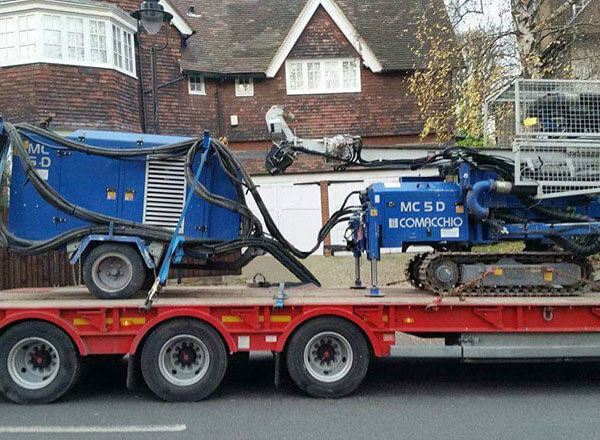
  • Leaders in Mini Piling – As specialists in confined and restricted-access environments, we have completed more than 500 mini piling projects across London—often where standard piling rigs simply can’t operate.

Mini Piling: Compact, Efficient & Exceptionally Strong

Mini piling remains one of the most effective solutions for London’s tight urban plots. Over the last five years, our mini piling installations have supported more than 200 structures, including basements, extensions, retaining walls and new builds. Individual mini piles installed by our team can safely support loads of up to 150 tonnes, making this method both compact and remarkably powerful.

Unmatched Quality & Safety

At KHB Piling LTD, safety is non-negotiable. Our work maintains a 100% safety record with zero incidents reported in the last decade. We combine strict quality control procedures with the latest piling equipment to ensure every project is completed to industry-leading standards.

Your Project Starts With the Right Foundation

More than 90% of our clients return for additional work or refer us to others—a reflection of the trust and satisfaction built through transparent communication, consistent workmanship and dependable results. Whether you’re building an extension, strengthening foundations, or planning a complex development, our team will guide you from concept through completion.

KHB Piling LTD by the Numbers

  • 1,000+ piling projects delivered
  • 50+ years of combined industry experience
  • 500+ mini piling projects in restricted-access areas
  • Load capacity up to 150 tonnes per pile
  • 100% safety record for over 10 years
  • 90%+ client retention rate

Conclusion: Building Strong Foundations for London’s Future

KHB Piling LTD is more than a piling contractor—we are a long-term partner in building safe, stable and future-ready structures. Supported by proven results, extensive expertise and a commitment to excellence, we ensure every project begins with a foundation engineered to last.

If you are looking for dependable piling services in London, expertise in mini piling, or precise foundation engineering, our team is ready to support you. Contact KHB Piling LTD today to discuss your project and secure the strong foundation it deserves.


Kamil

My name is Kamil, and I specialise in piling services in London. I am dedicated to advancing KHB Piling LTD, a trusted contractor delivering high-quality foundation solutions for both residential and commercial projects. With the expertise and commitment of our team, we provide reliable piling services, including mini piling and CFA piling, tailored to meet the unique requirements of each client.

Additional information
piling contractors london

The Science Behind Piling: A Closer Look at Technical Aspects

Piling has long been a fundamental element of construction, providing secure and stable foundations for buildings, basements, extensions and large-scale infrastructure. Although many assume piling is simply “driving piles into the ground,” it is in fact a sophisticated engineering discipline backed by soil science, structural calculations and precision installation techniques.

Below, we break down the technical aspects of piling and explain how it ensures long-term stability — especially in complex ground conditions like those found across London.

1. The Fundamentals of Piling

Piling involves embedding long, structural elements (piles) deep into the soil to transfer loads from a structure into strong, stable ground layers. These deeper strata are often unaffected by seasonal movement, moisture changes or surface-level instabilities.

Piles support structures through two key mechanisms:

  • Point-bearing (end-bearing) — transferring loads directly onto rock or dense soil.
  • Skin friction — using friction between soil and pile surface to support loads.

This dual mechanism prevents settlement, uneven sinking and structural damage — essential for safe construction in urban environments.

2. The Importance of Soil Analysis

Accurate soil investigation is the foundation of every piling project. London features a complex subsurface profile — including London Clay, sand, gravel, chalk, weak alluvium and mixed made-ground.

A professional geotechnical survey provides information on:

  • soil density and composition
  • moisture content
  • bearing capacity
  • groundwater depth
  • presence of obstructions or buried structures

This data determines the appropriate depth, pile diameter and installation method.

To explore different piling methods, visit:
➡️ Piling in London

3. Understanding Load-Bearing Capacity

Engineers calculate a pile’s load-bearing capacity by considering:

  • End-bearing capacity — how much load the pile tip can transfer into a strong soil layer or bedrock.
  • Skin friction capacity — how much lateral support is generated by the resistance of the soil along the pile shaft.

Balancing both ensures uniform load distribution and prevents differential settlement—one of the most dangerous threats to structural stability.

4. Types of Piles and Their Applications

Different soil types and structural requirements demand different piling solutions:

  • End-bearing piles — used where a dense layer or rock exists at depth.
  • Friction piles — used in soft or weak ground where resistance is generated along the entire pile shaft.
  • Mini piles — ideal for restricted access, basements, house extensions and urban construction.
    (See: Mini Piling Contractors)
  • CFA piles — suitable for unstable ground or high water-table conditions.
    (See: CFA Piling)
  • Rotary bored piles — used for deep foundations, large loads and large-diameter piling.
    (See: Rotary Bored Piling)

5. Pile Materials and Engineering Considerations

Modern piling uses a range of high-strength materials:

  • Reinforced concrete piles — strong, durable and suitable for most applications.
  • Steel piles — ideal for tension loads, restricted sites or heavy industrial use.
  • Composite piles — combining steel and concrete for added performance.

Material selection depends on load requirements, corrosion risks, ground conditions and budget.

6. Piling in Challenging Terrains

Some locations require specialised techniques — especially where the terrain makes traditional foundations unstable:

  • high water-table areas
  • marshland or soft alluvial deposits
  • made-ground with unpredictable composition
  • sites near tunnels, railway lines or old basements
  • earthquake-prone zones

Techniques such as CFA piling, mini piling and steel driven piles are often used to overcome these challenges while maintaining structural safety.

More info:
➡️ Groundwork & Foundation Services

7. Modern Innovations in Piling

Technology has significantly evolved piling processes:

  • Vibratory drivers reduce soil disturbance and speed up installation.
  • Hydraulic piling rigs allow deeper, cleaner and more controlled piling.
  • Laser and GPS-guided measurement ensures accuracy in pile positioning.
  • Computerised structural analysis predicts long-term load behaviour.

These advancements improve efficiency, safety and environmental performance — essential for modern construction standards.

Conclusion

Though often hidden beneath the surface, piling is one of the most important engineering components of any structure. It combines soil science, structural design and precision installation to create foundations capable of supporting buildings for decades or even centuries.

In complex urban environments like London, expert piling is essential — ensuring stability, durability and safety across diverse soil conditions and challenging terrains.

For professional piling advice or a site assessment, contact the specialists:
➡️ KHB Piling LTD — Contact Us


Kamil

My name is Kamil, and I specialise in piling services in London. I am dedicated to advancing KHB Piling LTD, a trusted contractor delivering high-quality foundation solutions for both residential and commercial projects. With the expertise and commitment of our team, we provide reliable piling services, including mini piling and CFA piling, tailored to meet the unique requirements of each client.

Additional information
piling london

The Pioneers of Piling London: KHB Piling London Ltd

KHB Piling London Ltd – Building London’s Foundations with Precision

In the heart of the bustling metropolis of London, KHB Piling London Ltd plays a crucial role in shaping the city’s skyline and supporting its continuous development. With decades of hands-on experience and an unwavering dedication to structural excellence, the company has earned its place among the most trusted piling specialists in the region.

Who Is KHB Piling London Ltd?

Established over two decades ago, KHB Piling London Ltd has built a reputation grounded in craftsmanship, technical expertise and an uncompromising commitment to safety. From residential extensions to complex commercial foundations, their engineers bring a level of precision that London’s construction environment demands.

Their history and ethos are explained further on the company’s background page:
About KHB Piling LTD.

Why Piling Matters in London

Piling is the process of driving deep structural elements into the ground to support buildings of all sizes. In a city like London—with its shrinking clay soils, mixed geology, and dense urban fabric—the quality of piling work is directly tied to a building’s long-term safety and performance.

You can explore the full range of available foundation solutions here:
Piling Services in London.

KHB Piling London Ltd – Expert Piling for Every Sector

KHB Piling London Ltd has delivered successful projects across residential, commercial and industrial sectors, consistently providing robust and tailored solutions. From Mini Piling for tight-access properties to CFA Piling for large-scale developments, the company remains a leader in advanced foundation engineering.

Figures That Speak for Themselves

  • Over 2,000+ successful piling and groundwork projects completed across Greater London.
  • Involved in the structural foundation works of more than 60% of major commercial buildings in key London districts.
  • 100% safety record — no compromise, no exceptions.

Sustainable & Eco-Conscious Piling

KHB Piling London Ltd is committed to sustainability, applying eco-friendly methods such as low-vibration piling, reduced-waste CFA systems, and recyclable steel reinforcement options. Their focus on responsible construction helps protect the environment while ensuring long-lasting structural performance.

The Future of Piling with KHB

With the construction industry evolving rapidly, KHB Piling London Ltd continues to invest in innovation. Their team regularly upgrades equipment, adopts new engineering methods and undergoes advanced training to stay ahead of London’s growing structural challenges.

Whether you’re planning a new build, an extension or industrial construction, KHB Piling London Ltd remains a partner you can rely on—delivering foundations built to last, and service built on trust.

Learn more or request a consultation here:
Contact KHB Piling LTD.


Kamil

My name is Kamil, and I specialise in piling services in London. I am dedicated to advancing KHB Piling LTD, a trusted contractor delivering high-quality foundation solutions for both residential and commercial projects. With the expertise and commitment of our team, we provide reliable piling services, including mini piling and CFA piling, tailored to meet the unique requirements of each client.

Additional information
basement piles costs

Exploring the Depth of Pile Foundations in the UK

How Deep Should Pile Foundations Be in the UK? A Practical Guide

The depth of a foundation remains one of the most important considerations in any construction project. In the UK, the required foundation depth varies widely depending on soil conditions, environmental factors and the presence of trees. Understanding these requirements is essential to ensure long-term structural stability and compliance with British Standards.

For specialist piling and foundation solutions, you can explore our full service range here:
Piling & Foundation Services – KHB Piling LTD.

Foundation Types & Soil Conditions

Across the UK, contractors typically use foundation systems such as strip foundations, trench fill foundations, pad foundations and various forms of piling. The required depth depends primarily on the soil’s shrink–swell characteristics and its ability to bear load without excessive movement.

Low Plasticity Clays

For strip, trench fill or pad foundations built on low-plasticity clays, the recommended minimum depth is 750mm.
This depth protects the foundation from seasonal moisture changes and ensures the load is spread effectively through stable soil layers.

Medium Plasticity Clays

In areas containing medium-plasticity clay, the recommended depth increases to 900mm.
These soils experience more pronounced shrink–swell behaviour, and a deeper foundation helps reduce the risk of differential settlement.

High-Risk Zones

British Standard 8004 advises a minimum depth of 1 metre in the highest-risk areas.
These zones typically contain soils susceptible to significant movement, meaning foundations must extend deeper to reach stable strata and maintain structural integrity.

Tree Influence & Root Zones

When trees are (or were historically) near the proposed building footprint, foundation depths may need to extend up to 3 metres.
Large mature trees extract substantial moisture from the soil, increasing shrinkage in clay soils and potentially compromising shallow foundations.
A deeper foundation reduces the risk of future settlement and avoids interference from root systems.

For projects directly impacted by tree zones or requiring specialised solutions, engineered piling is often the most reliable approach:
Mini Piling Services |
CFA Piling.

Pile Foundations in the UK – When Depth Matters

When soil conditions are highly variable — especially in areas with clay, sand or soft made ground — traditional trench foundations may no longer be practical or safe. In these scenarios, pile foundations provide a dependable alternative.

Piles transfer loads to deeper, more stable strata and significantly reduce the impact of seasonal ground movement. This is why piling has become a preferred solution for:

  • House extensions on clay soils
  • Properties affected by trees or vegetation
  • Basement construction in London
  • Sites with soft, loose or variable ground
  • Commercial developments requiring high load capacity

If unsure whether your project requires piling or deeper foundations, our engineers can assist with a full site review and tailored recommendations:
Contact KHB Piling LTD.

Conclusion

Foundation depth requirements in the UK vary depending on soil characteristics, environmental factors and the presence of trees. Whether your site requires a depth of 750mm, 1 metre or up to 3 metres, the key priority is ensuring stability and preventing future settlement issues.

By following British Standard guidelines and consulting with qualified piling specialists, builders can achieve a durable and safe foundation for any project. For complex or high-risk grounds, pile foundations often provide the most reliable long-term solution.


Kamil

My name is Kamil, and I specialise in piling services in London. I am dedicated to advancing KHB Piling LTD, a trusted contractor delivering high-quality foundation solutions for both residential and commercial projects. With the expertise and commitment of our team, we provide reliable piling services, including mini piling and CFA piling, tailored to meet the unique requirements of each client.

Additional information